Live Transcription vs AI Meeting Notes
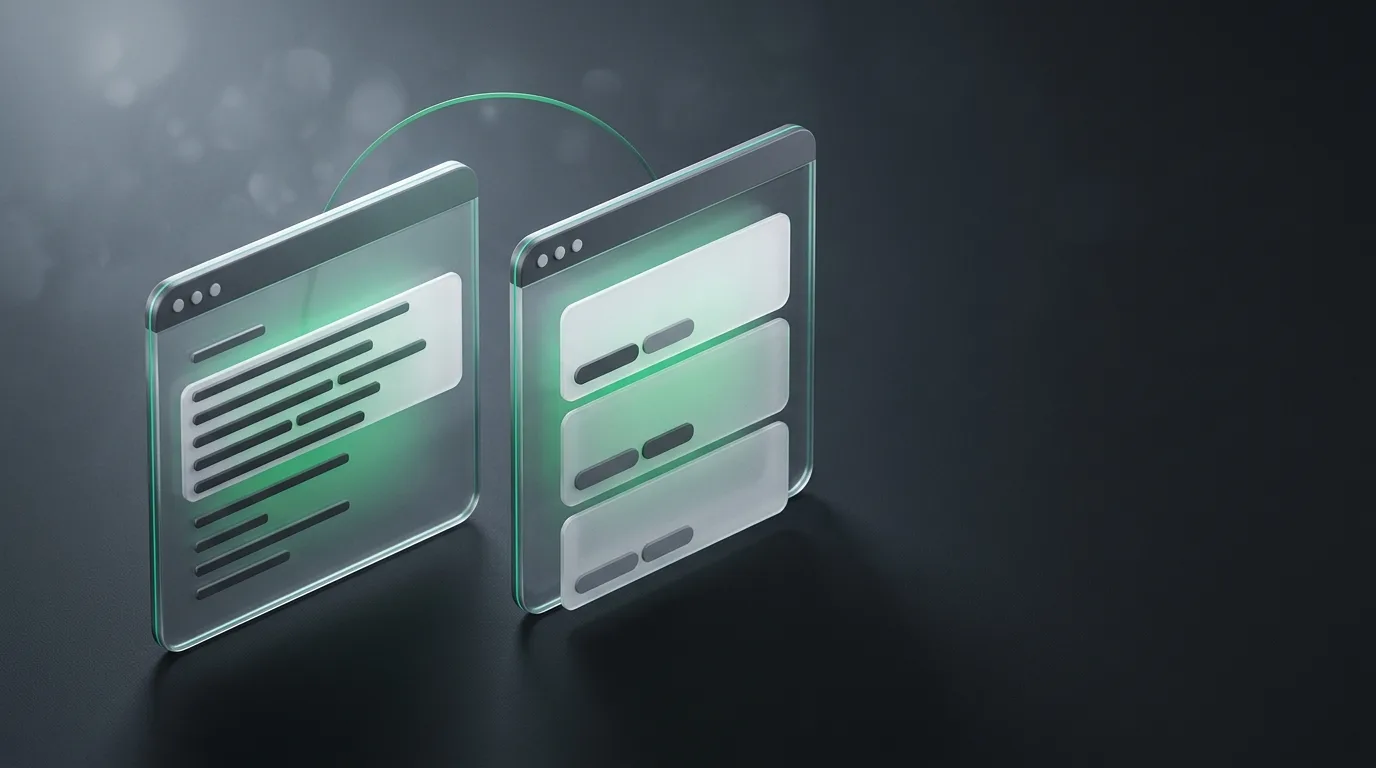
Live transcription and AI meeting notes are different products, even when they appear in the marketing of the same tool. Transcription is the continuous text of the conversation. Notes are the structured summary of what was decided. Confusing them is the most common mistake people make when evaluating AI meeting tools.
I am the founder of Natively, an open-source (AGPL-3.0) desktop AI assistant for meetings. I built the category, so I am biased toward it, and I am also going to be honest about when each tool wins. The wider picture is in the complete meeting guide and in the live transcription guide.
What each one actually is
Live transcription is the continuous conversion of spoken audio into text as the words are spoken, usually within a second or two, so you can read a conversation while it is happening. The output is a transcript, every word in order, with speaker labels.
AI meeting notes are the structured output produced from that transcript by a language model. The output is a working summary with decisions, owners, deadlines, and action items, organized so that someone who missed the meeting can catch up in two minutes.
The difference is structure. A transcript is raw material. AI notes are the actionable output. Most tools do one or the other, and many users do not realize they are not the same thing until they have been using the wrong tool for the wrong job.
When live transcription wins
Three situations favor live transcription.
The first is recovering a half-heard detail during the call. When someone says a name or a number you half-caught, glancing at the transcript is the fastest way to recover without asking them to repeat themselves.
The second is accessibility. For anyone hard of hearing or on a call with heavy accents and bad audio, a live transcript is the difference between following the conversation and missing half of it.
The third is for records that need to be exact. A transcript is the raw record. If you need the exact wording of what was said, the transcript is what you want. The live transcription guide covers the category.
When AI meeting notes win
Three situations favor AI meeting notes.
The first is sharing what happened with people who missed the call. A structured recap with decisions and owners is more useful than a wall of text, and the recipients do not have to skim through thirty minutes of transcript.
The second is action item extraction. Notes that capture owner, deadline, and context are the basis for follow-up. A transcript requires manual extraction, which most people skip.
The third is search. A searchable archive of past meeting notes is genuinely useful, and the structured format makes the search faster than searching transcripts.
The combined workflow
The right workflow uses both, in that order.
Live transcription gives you the raw record during the call. AI notes give you the structured summary after the call. The transcript is what you search when you need the exact wording. The notes are what you share with people who missed the call and what you push to the task tracker.
Most AI meeting tools produce both, and the better ones make the distinction clear. Natively produces both, with the live transcript available during the call and the structured notes available after. The tools comparison covers the alternatives.
Frequently asked questions
What is the difference between live transcription and AI meeting notes?
Live transcription is the continuous text of the conversation as it happens. AI meeting notes are the structured summary of what was decided, produced by a language model reading the transcript. The AI notes guide covers what good extraction looks like.
Do I need both?
Most professionals do. Live transcription helps during the call, AI notes help after. The right workflow uses both, and most modern tools produce both. The combined app guide covers this in depth.
Which is more accurate?
Different accuracy questions. Transcription accuracy is about catching the words correctly. Notes accuracy is about extracting the right decisions and owners. Both depend on audio quality and the model.
Are AI meeting notes enough without live transcription?
For sharing after the call, yes. For recovering a detail during the call, no. The live transcript is what catches the half-heard detail, and the notes are what summarizes the call.
Which tool produces the best of both?
Natively produces both on the same desktop, processing locally. Otter and Fireflies produce strong notes with weaker live help. The tools comparison covers the full set.
Use both, in that order
Live transcription and AI meeting notes are complementary, not alternatives. The transcript is the raw record during the call, the notes are the structured summary after. The right workflow uses both.
If you want a local-first tool that produces both, Natively is free to try with your own key or a local model. The complete meeting guide covers the wider category.
Ready to try Natively?
Download the definitive local AI interview assistant today and ace your next coding interview with complete privacy.
Get Started Free